
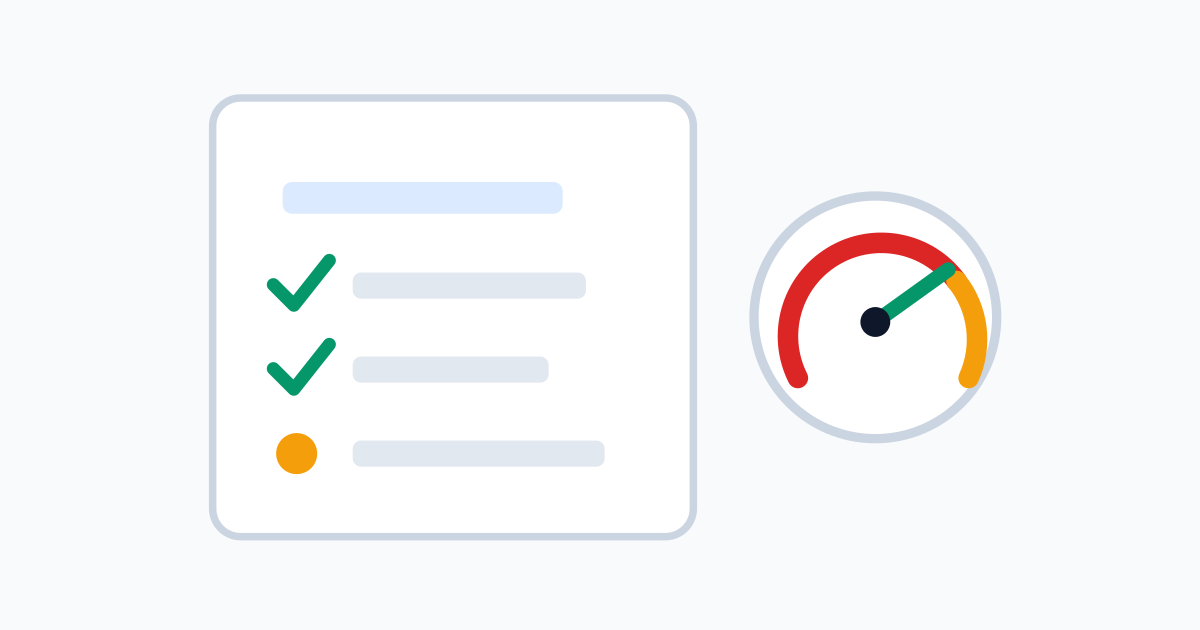
Preparedness checklist
Canada visitor visa preparedness checklist before you apply
Check passport, purpose, funds, return ties, forms, biometrics, and supporting documents before applying for Canada visitor visa.
Canada visitor visa (TRV): processing times are published by country of application and vary widely; check the IRCC tool for your country
Updated Jul 18, 2026
Collecting data
0 reviewed submissions so far.
Pending
No same-month summary yet.
Canada visitor visa timing signals in one view
Compare the official estimate with reviewed timelines from similar applicants.
Official wait
Canada visitor visa (TRV): processing times are published by country of application and vary widely; check the IRCC tool for your country
Canada visitor visa (TRV): processing times are published by country of application and vary widely; check the IRCC tool for your country
Updated Jul 18
Preparedness matters before Canada visitor visa timing
A Canada visitor visa wait time only helps after the application is complete enough to stand on its own. If the purpose, funds, route, documents, or personal history are weak, the processing clock is not the main problem.
For Canada, compare timing only after checking the official route for your nationality, purpose of travel, length of stay, and application location.
Use the red-to-green score as a preparation signal
Red means important basics are missing. Amber means you may be close but still have gaps that could lead to delay, refusal, or stressful follow-up. Green means the common preparation pieces are in place, not that approval is guaranteed.
The best use is before paying fees, booking non-refundable travel, or submitting documents. If a question does not apply to your route, use the official instruction page to decide what evidence replaces it.
Red flags to fix before submitting
- You are not sure whether your purpose fits the route you selected.
- You cannot clearly explain how the trip is paid for or why you will leave at the end of the stay.
- Important documents are missing, expired, untranslated, or inconsistent with the application form.
- You have prior refusals, overstays, criminal, medical, or immigration history that you have not disclosed or reviewed.
- You are relying on another person's fast timeline even though their nationality, route, documents, or travel purpose is different.
Help improve the wait data
Share your Canada visitor visa timeline
Share the date that starts your timeline so other readers can compare similar waits. It takes about a minute, and submissions are reviewed before they affect public wait numbers.
Read IRCC visitor times by country of application
Visitor visa times vary so much by country of application that a single national number would mislead; check the IRCC tool for your country.
Biometrics and document requests restart parts of the clock; the published time assumes a complete application.
Compare with applicants from the same country, and treat urgent-travel cases as a different queue.
Visitor visa questions travelers actually ask
Why is Canada visitor visa different from the official estimate?
Official estimates are broad benchmarks. Individual waits can vary because of missing documents, identity checks, appointment availability, workload, and local office capacity.
When should I trust waits shared by readers?
Use waits shared by readers as context once enough similar people have shared their experience. Official agency messages should still come first.